Get involved
Join the Lab
Thank you for being interested in joining our team! We study birds to uncover the principles behind flight, then test which of them actually earn a place in engineered systems or wildlife rehabilitation.
We take students from biology (animal behavior, biomechanics, wildlife and raptor conservation) and from engineering (aerodynamics, dynamics, controls, robotics). We expect you to be curious and interested in the fields you know less about.
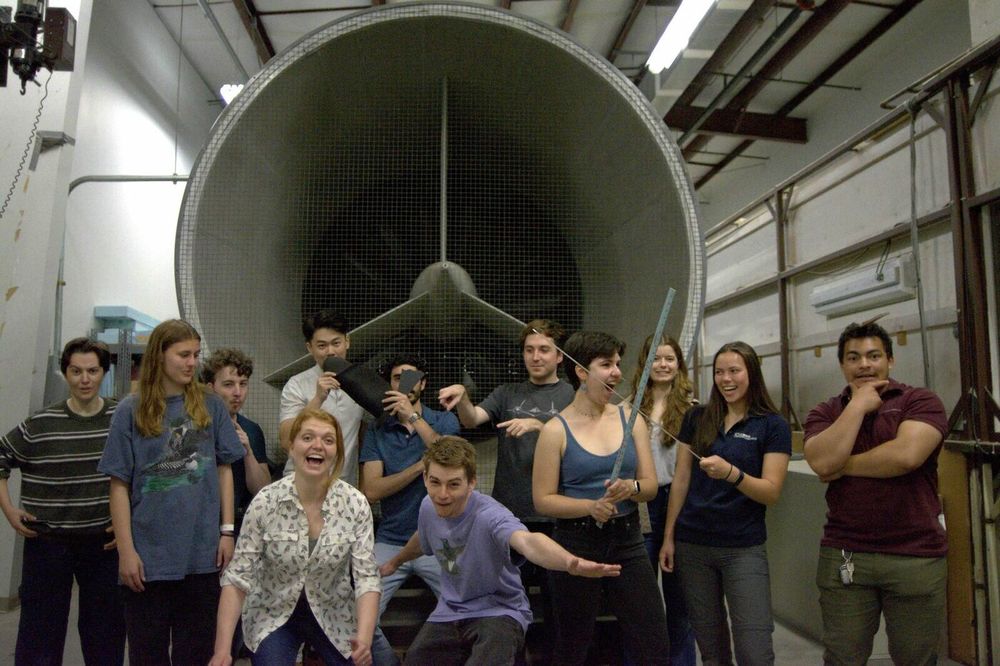
What I look for:
- Curiosity and independence: you’ll drive your own project.
- Willingness to grow: both your technical and “soft” skills.
- Care for the lab: keeping the lab welcoming, safe, and rigorous is our first priority.
New here? Our Lab Guide and research pages show how we actually work. Consider giving these a glance before you reach out.
Openings right now
Undergraduates
One or two junior/senior students each quarter at UC Davis. All majors welcome.
Most undergraduate research begins as volunteer or for-credit work. Paid positions occasionally open when funding allows, and I'll help you apply for your own funding (URC, CITRIS, etc.).
Start the interest form →Graduate students
No funded openings at the moment. If you're interested, reach out and we can look at fellowship options together.
I advise in Mechanical & Aerospace Engineering (MS & PhD) and Animal Behavior (PhD).
Email me →Postdocs
I'm recruiting a postdoctoral scholar to help lead research at CALI — see the full posting above. Applications are due September 30, 2026.
Email me →Undergraduates take part as volunteers or for EME/EAE 199 credit. Participation is voluntary and flexible; many find around 8 hours a week works well, but you set what fits alongside your coursework. Coursework always comes first: research should add to your progress, not substitute for it. You may take EME or EAE 199 with written permission. The number of 199 credits is set by the hours committed. 199 students must give a short presentation at the end of the quarter. 199 students are usually previous lab volunteers, so volunteering is the normal first step.
Funding your own spot? Browse our curated list of fellowships & scholarships, with options for undergraduates, graduate students, and postdocs.
High school students: we don't offer high school internships. If this work excites you, apply to UC Davis; most of our undergraduate researchers join once they're here.
Applying for a graduate spot
Two things happen in parallel, and the timing matters:
- Email me in early fall. I start meeting prospective students then, so reaching out early is how you’re considered for the lab specifically.
- Apply to the UC Davis graduate group by its December priority deadline. Admissions, requirements, and funding are run by the program, not by me: apply through Mechanical & Aerospace Engineering (MS & PhD) or Animal Behavior (PhD).
I don’t expect a particular background or checklist of skills. Genuine curiosity, a drive to advance science, and the persistence to see it through matter far more.
What to put in a first email
A short, specific note is all I need, and it helps me write you a real reply:
- Who you are: program or year, and a line of background.
- Why this lab: a project or paper that caught your eye.
- What you’d like to build or learn here.
- Your timing, with a CV and unofficial transcript attached.
I read every email and reply within about two weeks. If you don’t hear back, a friendly nudge is welcome. It’s kind to open with “Dr. Harvey”; we’re on first names once you’ve joined. If it looks like a fit, we’ll set up a short Zoom, and that’s a two-way conversation: you’re deciding whether the lab is right for you, too.
First time reaching out to a research lab? Two guides I like: applying to academic positions and how to email a professor about research. Wondering what grad school at Davis is actually like (cost of living, campus life, support)? UC Davis Graduate Studies for prospective students covers it.